Overview
Won 1st place by turning campus e-waste into research compute. Worked across the whole project in under 24 hours: user research with student "discarders" and "hoarders," product-market fit, Python distributed compute demo, Figma prototype, final pitch. Judges cited the combination of deep user research and a working technical proof.
Photo Gallery
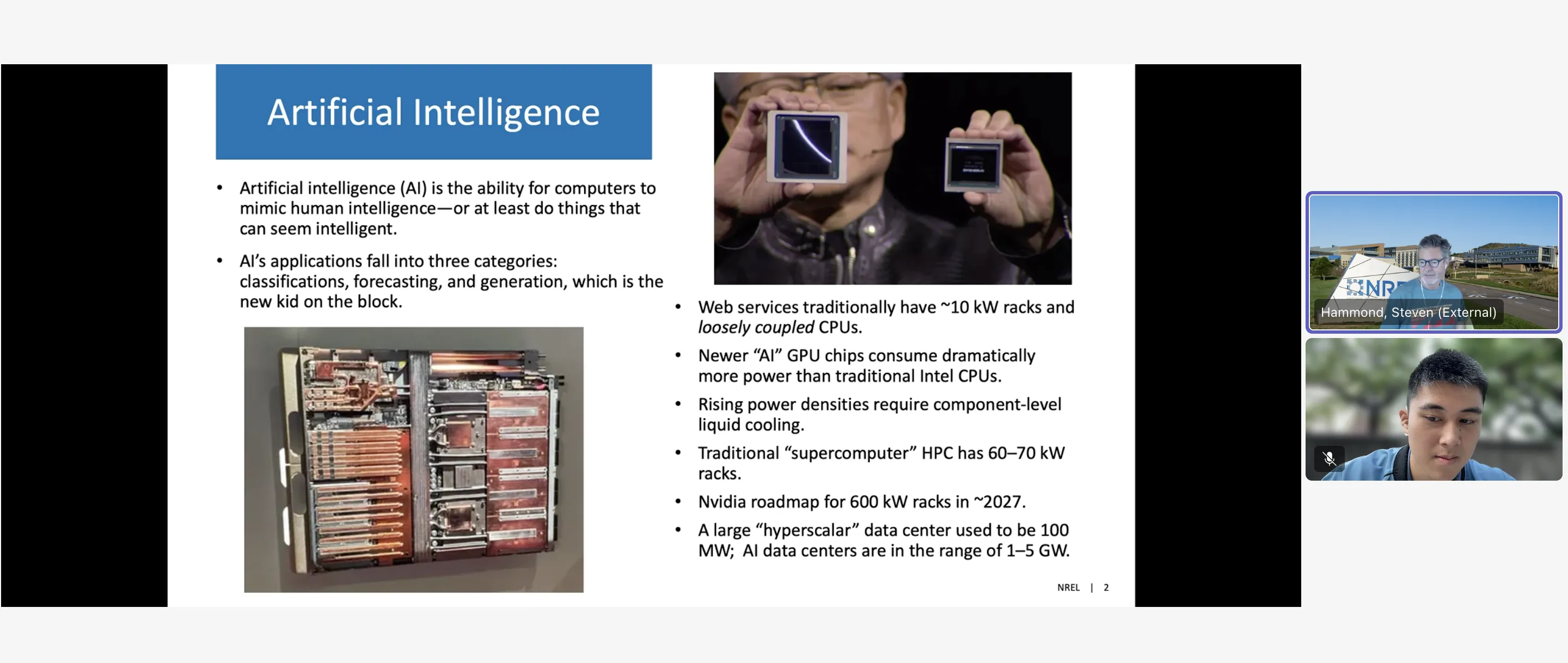
chatting with an NREL researcher about high performance computing
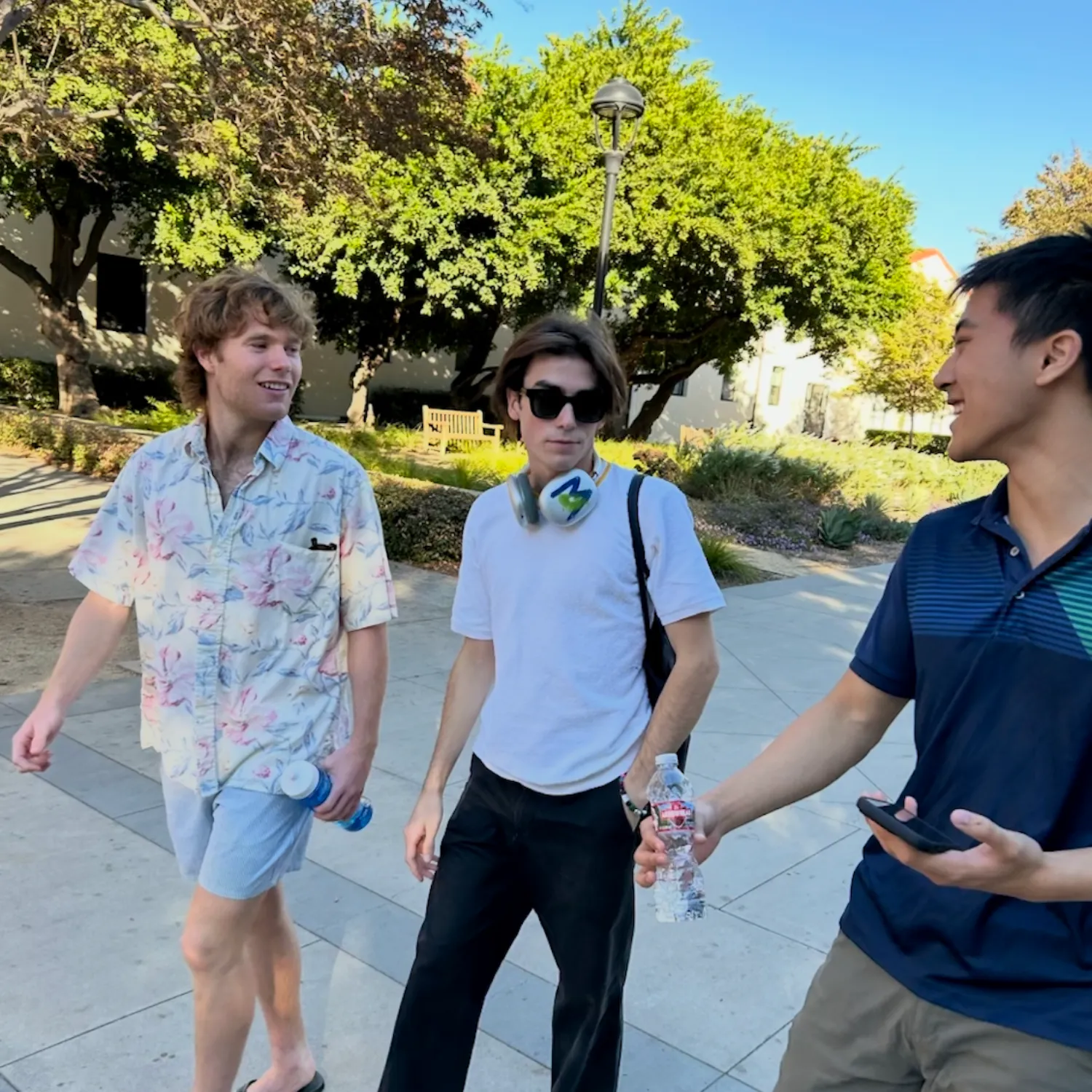
conducting user interviews with our target market
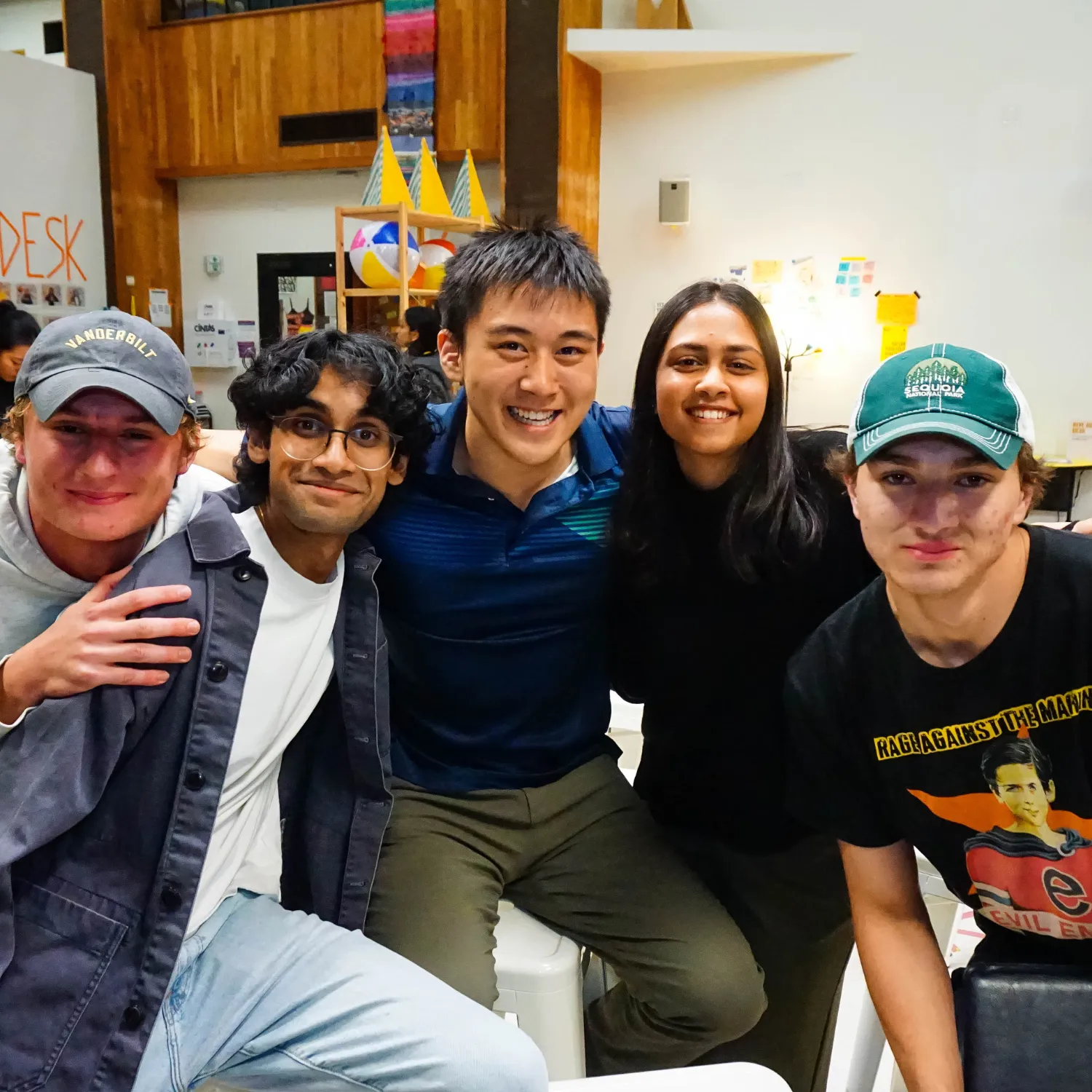
the team, from left to right: sinclair, rohan, me, anika, sam
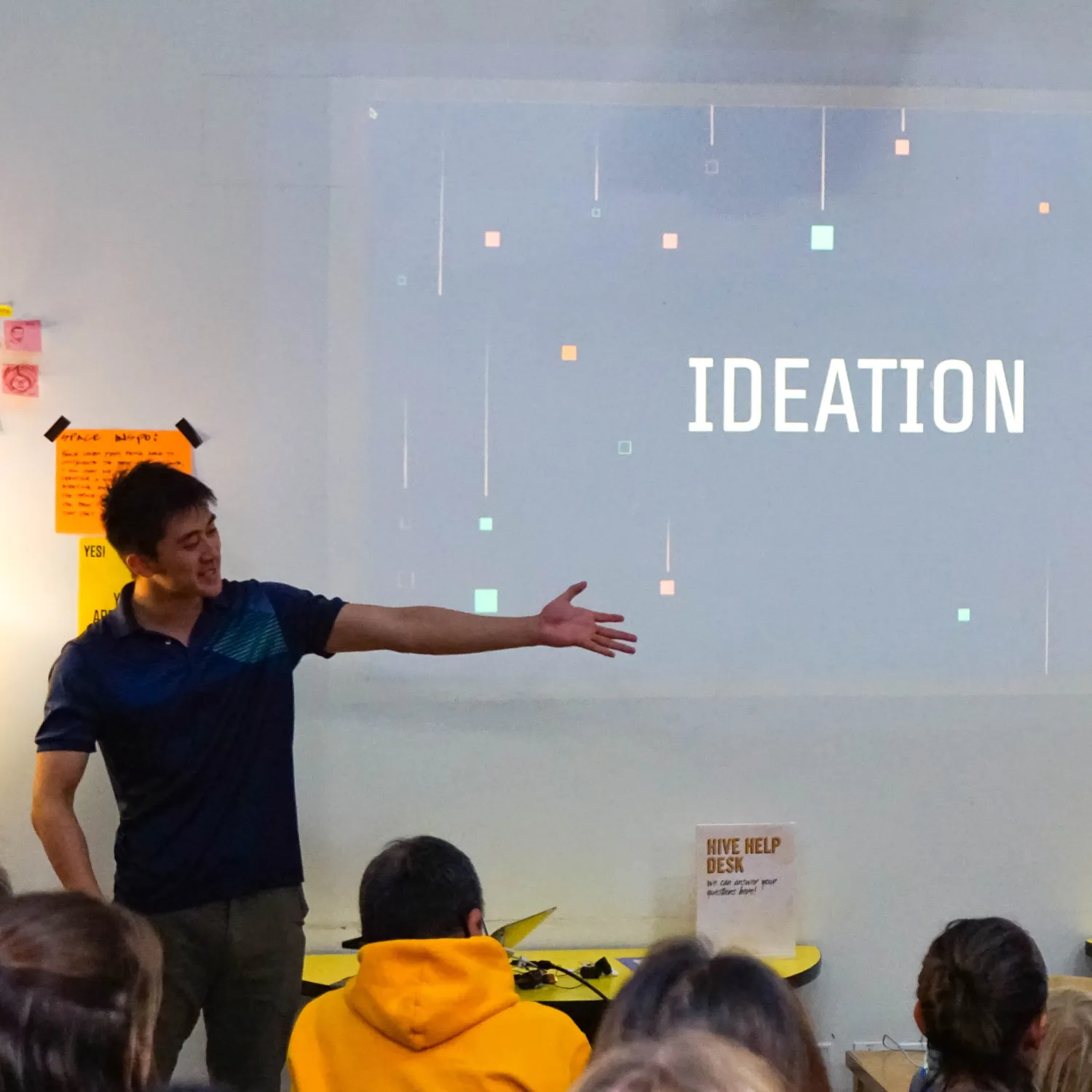
presenting to panel of judges and professors
User research
Two personas emerged from interviews across the Claremont Colleges:
- "Hoarders." Upgrade laptops frequently but hoard old devices. Need a disposal path that benefits someone else.
- "Discarders." Throw old phones in the trash. Need awareness that devices can support research and divert e-waste.
- Researchers. Especially in underfunded labs, need compute they can't afford on commercial clouds.
How it worked
Three-part system, with a working compute demo built the day of:
- Collect. Figma drop-off app showing the nearest donation site for old devices.
- Collate. Aggregate devices into a shared compute lab.
- Compute. Live Python distributed demo doing matrix multiplication across multiple laptops with a load balancer. 15% speedup by parallelizing sub-problems vs. single-device baseline. Kubernetes positioned as the long-term orchestration target.
At scale, modeling showed ~$200 to $500 saved per donated device per year vs. commercial cloud, ~50,000 lbs of e-waste diverted, and 25 to 30 TFLOPS/year (~$75K to $100K in cloud credits) redirected to underfunded labs.