
Overview
Initiated and led commercialization of Harvey Mudd College research on hotspot-free solar panels, recruiting and managing a 4-person team. Conducted 30+ stakeholder interviews with NREL, LADWP, firefighters, and solar manufacturers to build a phased licensing model projected to generate $3.9M revenue with 94% profit margin by Year 3.
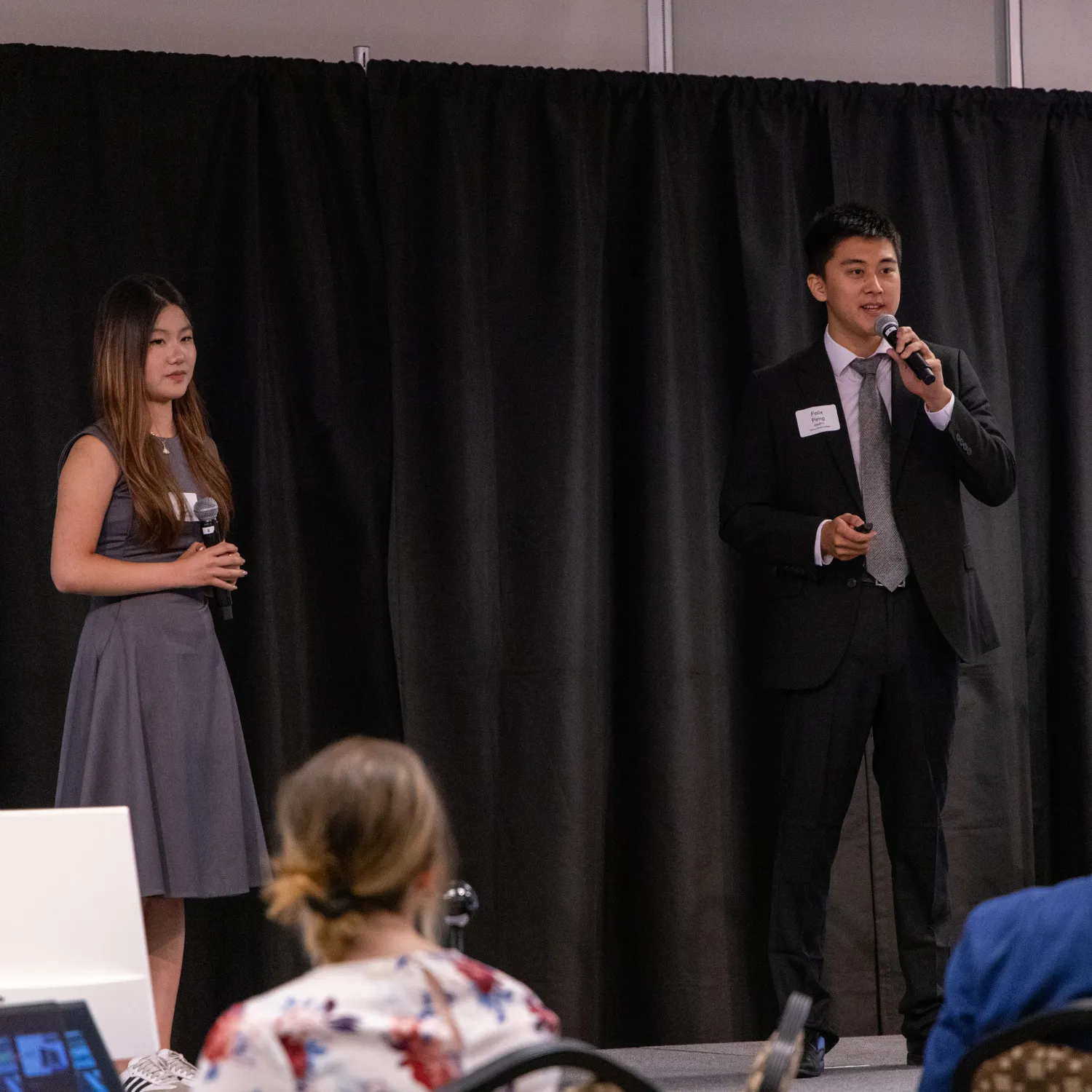
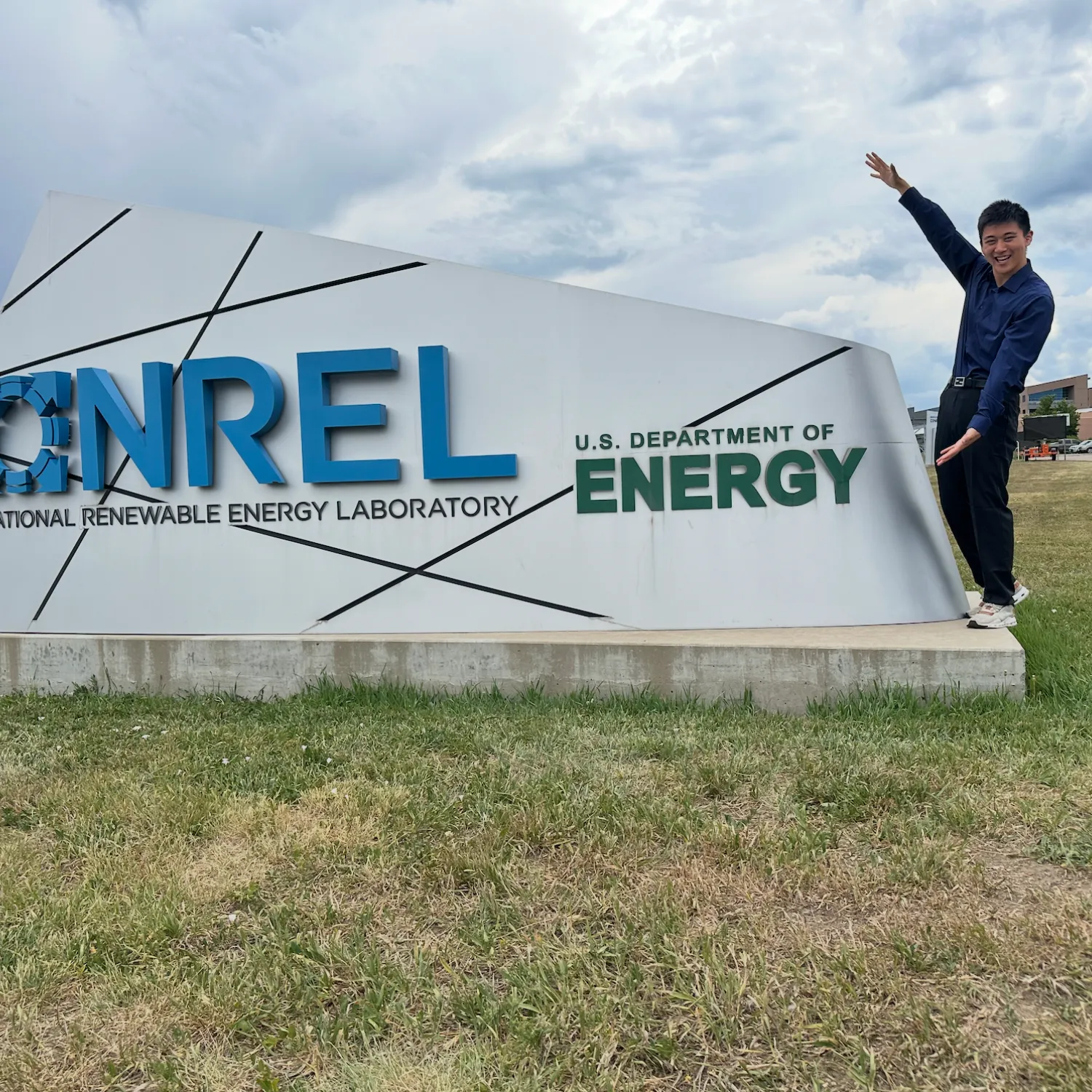
Pitched and won 1st Place / $20,000 in the DOE Solar Energy Technologies Office (SETO) University Prize, earning validation from DOE judges and NREL as the "airbag of the solar industry." Secured pilot interest with CHERP Solar Works (500 panels, ~760 jobs) and national publicity through Harvey Mudd press and NREL podcast.
Photo Gallery
Impact
DOE SETO University Prize
NREL, LADWP, firefighters, manufacturers
94% profit margin by Year 3
Serviceable obtainable market
The Problem
Hotspots — localized overheating above 200°C caused by partial shading — are a hidden but severe cause of solar panel fires, degrading panels and preventing firefighter roof access during emergencies. Existing solutions (bypass diodes, MPPTs) only mitigate damage after it begins; they don't prevent hotspots from forming in the first place.
This creates serious safety risks for firefighters, increases insurance liability, and shortens panel lifetime from 50 years to 25-30 years. The solar industry needed a prevention-first solution.
The Solution: idealPV
idealPV prevents hotspots entirely through real-time dynamic conductance monitoring, eliminating fire risk at the source. Unlike conventional solutions that react after damage begins, idealPV's Hotspot Prevention (HSP) technology responds in milliseconds to shading events — 4-6 minutes faster than traditional MPPT systems.
This prevention-first approach delivers transformative benefits: safer firefighting conditions, reduced insurance/liability risk, 50-year panel lifetime (vs. 25-30 typical), 71% more power generated over lifetime, and 80% lower degradation. We adopted a licensing business model to minimize capital risk, enable faster scalability, and create predictable recurring revenue with 94% projected operating profit margins.
Key Innovation
Hotspot Prevention (HSP)
Real-time dynamic conductance monitoring prevents reverse bias before it starts, with millisecond response time to shading events vs. 4–6 minutes for conventional MPPT.
Safety First
Hotspot elimination enables safer firefighting, reduces insurance/liability risk, and prevents panel fires at the source rather than mitigating damage after it occurs.
Extended Lifetime
50-year panel lifetime vs. 25–30 typical, generating 71% more power over lifetime with 80% lower degradation rates.
Scalable Business Model
Licensing approach (no manufacturing overhead, $0.90 per panel residual revenue) creates 94% projected operating profit margins and enables rapid market penetration.
Stakeholder Engagement
Led comprehensive stakeholder outreach across the entire solar value chain to validate product-market fit and build commercialization partnerships:
- NREL (National Renewable Energy Laboratory): Technical validation and podcast feature confirming idealPV addresses under-acknowledged safety gap
- CHERP Solar Works: Nonprofit manufacturing partner in Claremont for pilot program (~500 panels, ~760 jobs)
- LADWP: Fire safety and solar adoption insights from LA's largest municipal utility
- LA Fire Department Station 62: Firefighter interviews reinforcing the life-safety relevance of hotspot prevention
- Harvey Mudd College: Faculty advisor Prof. Peter Saeta (published IEEE research) and institutional press support
Recognition
"This is industry-shifting."
— DOE Judges
"Hotspot prevention addresses a real and under-acknowledged safety gap."
— NREL Researchers